
Moving into a commercial space often means changing it to fit your business. A tenant improvement allowance, or TI allowance, is money your landlord may offer to help pay for those changes.
Landlords use TI allowances to attract tenants in a competitive market. According to recent JLL research, TI allowances remain elevated.
At the same time, higher capital costs mean landlords manage lease concessions carefully. Knowing how allowances work helps you ask for the right things.
What you will learn
- What a TI allowance is and what it can pay for
- Which costs are usually covered, and which are not
- How to calculate an allowance, with a simple example
- How reimbursement works
- How to negotiate, and what to consider instead
- Your next steps in your free Crexi account
This guide is written for tenants. It covers how TI allowances work and their benefits for both tenants and landlords. By the end, you will have a clear strategy for getting more out of the space you lease.
What is a tenant improvement allowance?
A tenant improvement allowance is a financial incentive that you and your landlord negotiate during the leasing process. It applies to commercial spaces such as offices for rent and retail locations.
Other names to know: TA, TIA, fit out, build out, and leasehold improvements allowance all describe the same idea.
How it works in plain terms
The allowance is commonly detailed in your lease agreement. It gives you funds or credits to modify and personalize the space.
That can include architectural changes, infrastructure upgrades, and interior design elements. You can tailor the space to your brand and the way your business operates.
Do you have to pay it back?
No. The landlord pays the allowance up front, and it is structured as an allowance, so you are not required to return it.
Landlords often recoup the investment in other ways. They may build part of the TI cost into your base rent, or ask for a longer lease term.
Why landlords offer one
For property owners, a TI allowance is a strategic move to attract and retain qualified tenants. It helps keep buildings occupied and generating steady income.
A competitive allowance can also make a property more appealing than others, especially in areas with high vacancy rates. That is where tenants can have the most leverage.

What a TI allowance covers
The allowance is meant to enhance the landlord’s property, so it typically covers items that have a lasting positive impact on the building.
What an allowance includes
TI costs fall into two groups: hard costs and soft costs. Your lease sets the final list of eligible costs, so read that section closely.
Hard costs (usually covered)
Hard costs are tangible improvements that add direct value to the property. They are usually covered by the allowance.
- Interior framing and walls. Creating new walls or changing existing ones.
- Doors and windows. Installing or upgrading them for function and appearance.
- Conference room build-out. Dedicated spaces for meetings and collaboration.
- Bathrooms or kitchen areas. Essential facilities that make the space easier to use.
- HVAC, ductwork, electrical, conduits, plumbing, and hardware. Upgrades to essential building systems.
- Paint, carpeting, and flooring. New finishes and surfaces.

Soft costs (usually not covered)
Soft costs do not add permanent value to the building, so they are often not covered. You will typically pay for them yourself.
- Window coverings. Blinds, shades, and other window treatments.
- Furniture and fixtures. Desks, chairs, and other movable furnishings.
- Electronic equipment. Computers, servers, and other devices.
- Cabling for data. Installation of data and communication lines.
- Signage. Interior or exterior signs for branding and advertising.
- Moving expenses. Costs of relocating to the new space.
Plan ahead: Add soft costs to your move-in budget. They are easy to overlook.
How to calculate your allowance
The allowance is a key part of negotiating a commercial lease. It can be a lump sum or a rate per square foot, depending on the scope and nature of the project.
What affects the amount
Several factors influence your allowance. Here is what each one means for you.
| Factor | What it means for you |
|---|---|
| Market conditions | The availability of space for lease in the area affects your leverage. In a tenant’s market with high vacancy rates, landlords may offer higher allowances to attract tenants. |
| Your creditworthiness | Financially stable and reputable tenants are more likely to receive generous allowances, because they present lower risk to landlords. |
| Size of the space | Larger spaces usually command higher total allowances, though the per square foot rate may vary. |
| Lease length | Longer lease terms often justify higher allowances, because landlords can recover the cost over a longer period. |
| Renovation needs | The extent of the renovations matters. Newly constructed spaces may need less customization than older buildings that require significant upgrades. |
A simple example
Example
You lease a 10,000-square-foot office and negotiate a TI allowance of $25 per square foot.
10,000 SF x $25 per SF = $250,000
That $250,000 can go toward eligible improvements such as structural changes, building systems upgrades, and interior finishes.
How you get the money
The process starts with a plan. Then you build, document your costs, and get reimbursed.
Step 1: Submit plans and a budget
You submit detailed plans and budgets for the changes you want. They must match the conditions in your lease and need the landlord’s approval.
Once approved, the landlord pays out the funds as the lease specifies. The work should be completed to your satisfaction and within the agreed budget.
Step 2: Pay up front, then get reimbursed
Tenants typically front the costs of the improvements before the landlord reimburses them. Plan your cash flow with this in mind.
What the landlord usually needs from you
- Proof of payment. Documents showing that you paid for the improvements.
- Contractor liens settled. This prevents legal claims against the property.
- Code inspections passed. Improvements must comply with local building codes and regulations.
Once these conditions are met, the landlord reimburses you for the approved expenses.
Step 3: Get more than one estimate
Some landlords have in-house construction teams and may offer to manage the work. Before you agree to their budget, get at least two independent estimates from outside contractors.
That lets you compare pricing and make sure you are getting fair value.
What TI looks like by space type
The same rules apply to every space, but what you spend the allowance on changes. These examples apply the hard cost and soft cost lists above. Your lease decides what is actually eligible.
Office space
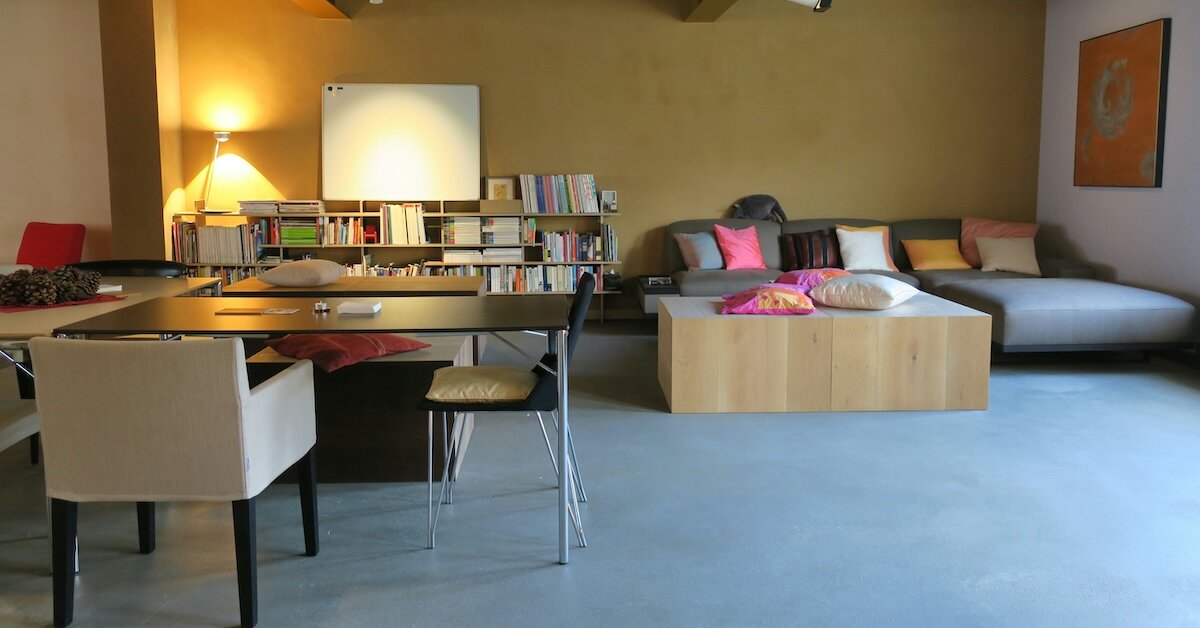
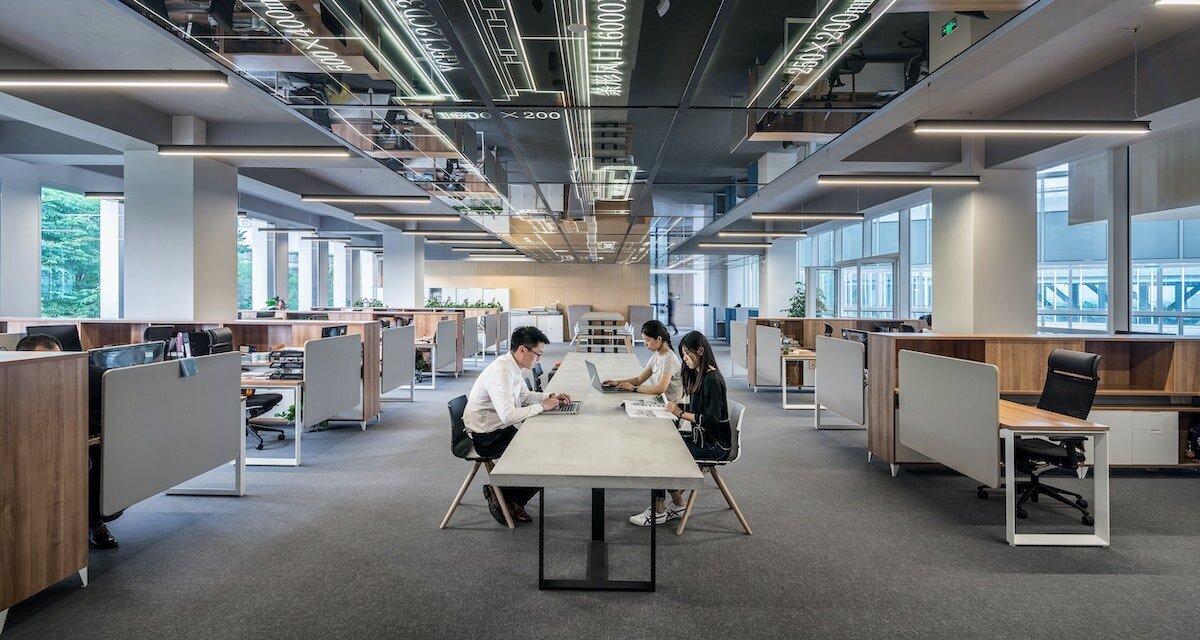
An office tenant may use the allowance for new walls, a conference room build-out, flooring, and paint. Those are all hard costs.
Desks, computers, and data cabling are soft costs. Budget for them separately.
Retail space
A retail tenant may use the allowance for interior framing, doors and windows, and new flooring. Signage is a soft cost, so plan to pay for it yourself.

Restaurant space
A restaurant tenant may use the allowance on hard costs such as plumbing, electrical, ductwork, and kitchen area installation. Furniture and fixtures are soft costs.
Tip: Ask early which upgrades the landlord counts as eligible. Then confirm the list in your lease.

Can you negotiate a TI allowance?
Yes. A TI allowance is typically up for negotiation. It depends on the caliber of the tenant, the availability of space in the local market, and details such as lease length.
Why lease length matters
A five or 10-year lease gives landlords more time to recover their TI outlay through rent and rent increases. That can make them more open to a larger allowance.
Show you are a safe bet
Offer several years of tax returns and financial statements for review. This shows financial responsibility and helps demonstrate your creditworthiness.
Ask about payment timing
The timing of reimbursement may also be negotiable. In some cases, tenants can negotiate periodic reimbursements while the improvements are being completed.
This can ease the cash flow strain of paying costs up front.
Your negotiation checklist
- Confirm whether the allowance is a lump sum or a rate per square foot.
- Ask which hard and soft costs are eligible, and confirm the list in the lease.
- Gather several years of tax returns and financial statements.
- Consider how lease length affects the allowance you can ask for.
- Ask whether periodic reimbursements are possible.
- Get at least two independent contractor estimates.
Alternatives to TIs
Paying for improvements up front and getting reimbursed later does not work for everyone. Start-ups often lack enough liquid funds, and small business owners can find it hard to arrange or oversee a large improvement project.
If that sounds like you, two alternatives are worth considering.
Option 1: A turnkey space
Look for a space that is ready to move into, or one that needs only minor touch-ups such as new flooring or paint. A local handyperson or materials provider can usually complete these projects.
Option 2: Rent abatement
Rent abatement gives you several months of free rent at the start of the lease. It may suit tenants who have the funds and experience to manage a TI project.
With free rent up front, improvement costs do not overlap with your rent payments.
Side by side
| Option | How it works | May suit |
|---|---|---|
| TI allowance | The landlord reimburses approved improvement costs. You usually pay first. | Tenants who can front costs and manage a build-out |
| Turnkey space | You move into a space that is ready, or needs only minor touch-ups. | Start-ups and small business owners with limited funds |
| Rent abatement | You get several months of free rent at the start of the lease. | Tenants with the funds and experience to run a TI project |

Try it on real listings
Looking for a turnkey space? Start with a search for spaces for lease. Use filters like price, property size, and keywords, and draw your own search area on the map.
The landlord’s side: how TI allowances are accounted for
You do not need this section to negotiate an allowance. It does help explain why landlords care about lease length and documentation.
Recording and amortizing
When an allowance is agreed, landlords record the obligation as a liability on their balance sheet. The value of the improvements can be capitalized as an asset.
The cost is typically amortized over the life of the lease or the useful life of the improvements, whichever is shorter. This spreads the expense over time and matches it to the revenue from the lease.
Why it matters to their finances
Correct accounting affects a property’s net operating income (NOI) and its valuation. Spreading the cost over time also helps landlords manage cash flow and reduce taxable net income.
Accounting rules and records
In 2019, the Financial Accounting Standards Board (FASB) introduced ASC 842, a lease accounting standard. It requires both lessees and lessors to recognize most leases on the balance sheet, which includes handling TI allowances appropriately.
Landlords must also follow generally accepted accounting principles (GAAP) or international financial reporting standards (IFRS), depending on their jurisdiction. They keep detailed records such as contracts, receipts, and inspection reports.
Key terms
- TI allowance (TIA)
- Money or credits a landlord provides, as set in the lease, to help you modify the space. Also called TA, fit out, build out, or leasehold improvements allowance.
- Hard costs
- Tangible improvements that add direct value to the property, such as walls, doors, windows, HVAC, plumbing, and flooring.
- Soft costs
- Costs that do not add permanent value to the building, such as furniture, signage, and moving expenses.
- Lump sum
- A fixed total amount for the allowance.
- Rate per square foot
- An allowance expressed per square foot of leased space, such as $25 per SF.
- Contractor lien
- A legal claim against the property. Liens must be settled before the landlord reimburses you.
- Turnkey space
- A space that is ready to move into, or needs only minor touch-ups.
- Rent abatement
- Several months of free rent at the start of a lease.
- Amortization
- Spreading the cost of improvements over the lease term or the useful life of the improvements.
The bottom line
A tenant improvement allowance is a popular incentive landlords use to draw in tenants. That is especially true in markets with more office and retail space than demand. It can help you turn a basic space into one that fits your business.
Several things shape the deal: the length of the lease, the type of space, and the improvements you want to make. Landlords may also weigh extra costs such as taxes and permits, and any impact on how marketable their property is.
Go into the conversation prepared. Know what you want to build, what the allowance should cover, and what you can offer in return.
Frequently asked questions
What is the tenant improvement allowance clause?
It is the part of your lease that states how much money the landlord will provide for you to customize and improve the space.
How does TI work in a lease?
The landlord provides funds for you to make customized improvements to the space. The specifics are outlined in your lease agreement.
Is a tenant improvement allowance income?
No. A TI allowance is not considered income for the tenant. It is a fund the landlord provides to pay for improvements, and it is recorded as an incentive or inducement on the tenant’s balance sheet.
What is the amortization of tenant improvements?
It means spreading the cost of the improvements over the lease term or the useful life of the improvements, whichever applies. It is an important part of TI allowance accounting.
How do you calculate a tenant improvement allowance?
It is typically based on the square footage of the space and the negotiated terms. It is often expressed as a fixed dollar amount per square foot.
Is a tenant improvement allowance a liability?
It can be a liability for landlords. They take on the risk of paying for improvements up front and the tenant not fulfilling the lease terms or leaving early.
Your next steps in your free Crexi account
You can start searching for space today. Here is a simple way to put what you just learned to work.
- Search spaces for lease. Filter by price, size, and keywords, then use the map’s draw or radius tool to focus on your area.
- Save your search. Get email alerts when new listings match. You choose how often in your notification settings.
- Save properties you like. Group them to compare options and share them with others.
- Ask about the allowance. When a space looks right, ask the listing broker whether a TI allowance is on the table.
Want deeper market data later, such as lease data? See what Crexi Intelligence includes.