
Choosing the right site is one of the biggest decisions in any development project. A missed zoning detail or a weak market can derail a project before it starts. A clear due diligence checklist helps you confirm that a site can support what you plan to build.
This guide is for developers and economic developers. It covers the data points to check on every site, in the order most teams check them, and how to pull them into one report.
What you will learn
- Why developers carry more upfront risk than most CRE players
- How to check parcels, zoning, and existing structures
- How to find and research the owner
- Which demographic, traffic, and nearby business data to review
- How to use land comps and property records
- How to build a due diligence report, with a full checklist
- How economic developers can use the same checklist to market sites
- What Crexi Intelligence adds to a free Crexi account
Key takeaways
- Developers take on more upfront risk than other groups in CRE, so thorough due diligence is essential.
- Reliable data confirms whether a site can realistically support a project.
- Parcel-level data can now be gathered in days rather than weeks, which speeds up site selection.
- One report that combines every data point keeps your team, lenders, and partners aligned.
Why due diligence matters for developers
Developers carry more upfront risk than investors or lenders. If the location is wrong, a project can stall. If the zoning does not fit, plans may need to start over. Without enough demand, even a well-designed project can struggle.
Skipped steps can be costly. According to RSB Environmental, a commercial buyer in Texas skipped the Environmental Site Assessment (ESA) and later faced more than $500,000 in cleanup costs for a leaking underground storage tank. A proper assessment could have found it.
Environmental contamination, zoning violations, and title defects are among the leading causes of delays and losses in commercial development.
A structured process lowers risk
A consistent checklist helps you confirm three things before you commit:
- The site supports your project’s vision.
- The project fits local rules.
- The surrounding market can support it.
Start with data, then go on site: Parcel data, demographic overlays, and traffic counts let you check the basics before anyone visits the property. They do not replace surveys, inspections, or environmental reports.
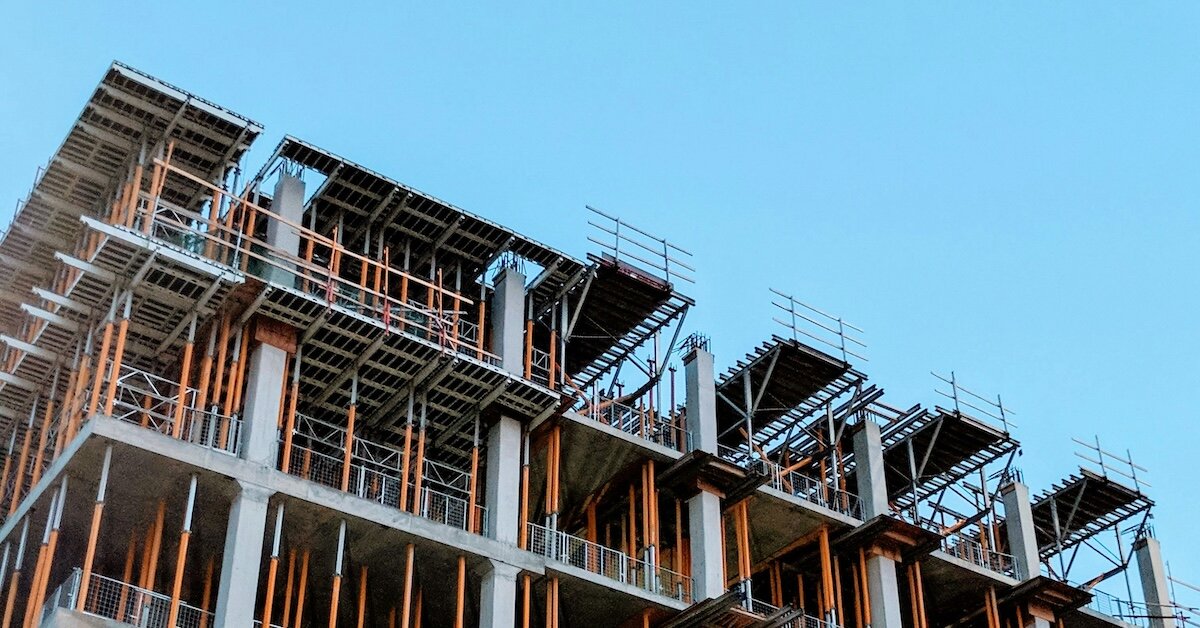
Step 1: Check the parcel and zoning
Every project starts with the land itself. Parcel mapping tools show boundaries, lot sizes, and how each piece of land is classified.
| Check | What it tells you |
|---|---|
| Parcel size and shape | Whether the lot fits your footprint, parking, and setbacks |
| Zoning type and approved uses | What you can build and how |
| Existing buildings | Whether you face renovation, demolition, or preservation work |
These checks show whether the land supports your project’s scale and density. Zoning, whether residential, commercial, industrial, or mixed-use, shapes what you can build.
Existing structures cut both ways
Older buildings may offer renovation potential or historic tax credits. They can also bring demolition costs, asbestos abatement, or preservation limits that affect your timeline and budget.
Filter first, then dig in
Parcel and zoning tools let you narrow thousands of parcels to the few that meet your criteria. That leaves more time for the sites that deserve a deeper look.
Zoning varies by market: Some cities use simple residential or commercial codes. Others use overlay districts or form-based codes that need local interpretation. Confirm the rules with the local planning office.

Step 2: Find out who owns it
Once a parcel looks promising, find the owner. Accurate ownership records and contact details come before any real progress.
| Ownership detail | Why it matters |
|---|---|
| Owner name and contact information | Lets you start a conversation |
| Entity type, such as individual, LLC, trust, or corporation | Shapes who decides and how long it may take |
| Purchase date and price | Gives context for price expectations |
| Length of ownership | Long-term owners may be more open to selling |
| Tax mailing address | Helps reach owners who do not live on site |
Ownership data affects negotiation, partnerships, and timelines. Many teams now research ownership first, because it often decides whether a deal can move forward at all.
Working several sites? Export your ownership lists so outreach stays organized as your search grows. Owner contact information in Crexi is an add-on that uses credits.
Step 3: Study demographics and income
A site can look perfect on paper, but the surrounding community decides whether a project succeeds. Review these signals for the area around each site.
| Signal | Decision it can shape |
|---|---|
| Population growth and household formation | Whether demand is growing |
| Income levels and buying power | Price points and rent levels |
| Age and family makeup | Unit mix, floor plans, and tenant type |
How it plays out
Rising incomes may support higher-end rentals. A younger population may increase demand for smaller apartments or flexible floor plans.
Demographic data brings clarity to choices about unit mix, price point, and tenant type that would otherwise rely on guesswork.

Step 4: Review traffic and nearby businesses
Traffic counts and visibility
For retail and mixed-use projects, visibility can make or break a site. Traffic counts estimate how many people pass a location each day.
- High-traffic corridors tend to draw brands such as coffee shops, gyms, and grocery stores.
- Lower-traffic areas may suit neighborhood retail or service uses.
Two parcels a mile apart can see very different daily traffic. That gap affects rents, design, and leasing strategy.
Points of interest
Nearby businesses and amenities show both competition and opportunity. They reveal whether a market is overserved or underserved, and whether your project fills a real need.
| Developer type | What to look for nearby |
|---|---|
| Retail | Gaps in grocery or fitness coverage |
| Quick-service restaurant | Where similar chains cluster |
| Multifamily | Access to parks, schools, and transit |
Use it twice: The same data helps you market the finished project, by showing which amenities and advantages to highlight for tenants, buyers, or anchor retailers.

Step 5: Check land comps and market trends
Land comps and nearby activity answer two questions: Is the land priced fairly? Will the surrounding market support future value?
- Land sale prices by acreage, zoning, and location
- Development trends and nearby construction
- Parcel sales in the last 12 to 24 months
This gives you a baseline for negotiation and sets expectations for future value. Tracking comps early helps you avoid overpaying and keeps your plan grounded in the local market.
Step 6: Review property records and site risks
Public records offer clues about a parcel’s past and issues that may surface later. Review them before you buy land.
| Record | What to look for |
|---|---|
| Property tax history | Recent jumps, unpaid taxes, or reassessment risk |
| Previous transactions | How often the land changed hands, and at what price |
| Liens, loans, and other encumbrances | Anything that could delay or block a clean transfer |
These records help confirm that the land will transfer cleanly, without legal surprises that complicate the deal.
Use records to guide expert reviews
Records tell you where to look. They do not replace a title search, a survey, or a Phase I Environmental Site Assessment. Bring in qualified professionals for those before you close.
Remember the Texas example: One skipped environmental assessment led to more than $500,000 in cleanup costs. A small upfront cost can prevent a large one later.

Step 7: Build one due diligence report
Once you have gathered every data point, put your findings in one clear report. It keeps your team aligned and gives decision-makers the full picture.
A complete report includes:
- Parcel maps and zoning details
- Demographic and income overlays
- Traffic and visibility snapshots
- Nearby businesses and amenities
- Comparable land sales
- Ownership and property history
One report also makes financing smoother. Lenders and partners can see the same facts your team used to choose the site.
The full developer due diligence checklist
- Confirm parcel size, shape, and boundaries.
- Confirm zoning, approved uses, and any overlay districts.
- Note existing structures and what they mean for cost and timing.
- Identify the owner, entity type, and length of ownership.
- Review purchase history and price.
- Study population, household, income, and age trends.
- Check traffic counts and visibility.
- Map nearby businesses, amenities, and competitors.
- Pull land comps from the last 12 to 24 months.
- Review tax history, past transactions, and encumbrances.
- Order title, survey, and environmental reports.
- Compile everything into one report.
Build site reports in one place
Crexi Intelligence brings parcels, zoning, ownership, demographics, traffic, and comps into one workflow, so you can screen sites and export findings without juggling platforms.
For economic developers: use the checklist to market sites
Economic developers sit on the other side of the same decision. Developers and companies use these data points to choose sites, so the same checklist helps you show why a site in your area fits.
Answer the questions before they are asked
Site selectors and developers want the facts fast. A site profile built on this checklist gives them the basics in one place.
| What a developer checks | What your site profile can show |
|---|---|
| Parcel size and zoning | Available sites that fit common project sizes and uses |
| Ownership | Who owns each site and whether they are open to a sale or partnership |
| Demographics and income | Population, household, and income trends in your area |
| Traffic and nearby businesses | Corridors, anchors, and gaps a new project could fill |
| Land comps and trends | Recent land sales and nearby construction |
Keep it current: Data changes. Refresh your site profiles on a regular schedule, and confirm zoning and incentives with the right local offices before you share them.
Free account vs. Crexi Intelligence
A free Crexi account is a good way to start watching land and sites in your markets. Crexi Intelligence adds the site and market data that development teams use for due diligence.
On your free account
- Listing search. Search land and other sale and lease listings with no limits.
- Saved searches and alerts. Save a search and get email alerts. You choose the frequency in your notification settings.
- Saved properties. Group the sites you want to track and share them with others.
With Crexi Intelligence
- Comps and Records search. Filter by property details, lots, zoning, leasing, mortgage and financing, and ownership.
- Zoning, tenant, and traffic data. Review the site and market signals covered in this guide.
- Ownership details. See who owns a parcel, with owner contact information as an add-on that uses credits.
- Comps. Review recent sales to set a pricing baseline.
- Exports. Export records and findings for your report.
Plan inclusions and credits can change. See the Crexi Intelligence page and Crexi Intelligence adds zoning, tenant, and traffic data for current details.
Key terms
- Due diligence
- The research you do to confirm a site’s condition, rules, and market before you commit to it.
- Parcel
- A defined piece of land with its own boundaries and ID.
- Zoning
- Local rules for how land in an area can be used.
- Overlay district
- An extra set of zoning rules layered on top of the base zoning in an area.
- Form-based code
- Zoning that focuses on a building’s form and design rather than only its use.
- Environmental Site Assessment (ESA)
- A study of a site’s current and past uses to find possible contamination. A Phase I ESA is usually the first step.
- Encumbrance
- A claim on a property, such as a lien or loan, that can affect its transfer.
- Points of interest (POI)
- Nearby businesses and amenities, such as stores, schools, parks, and transit.
- Traffic count
- An estimate of how many vehicles pass a location each day.
- Land comps
- Recent sales of similar land, used to judge price.
- Crexi Intelligence
- Crexi’s data product for researching properties, owners, sites, and markets.
The bottom line
Successful development starts long before construction crews arrive. It starts with reliable data and a consistent due diligence process.
Check the parcel and zoning, learn who owns it, confirm demand, review comps and records, then bring in experts for title, survey, and environmental work. A structured approach cuts costly surprises and confirms that a site fits your project.
Ready to streamline your site research? Explore Crexi Intelligence.
Frequently asked questions
What is developer due diligence?
It is the research a developer does to confirm that a site can support a project, including zoning, ownership, demand, pricing, and legal and environmental risks.
What should a developer check first?
Start with the parcel and zoning. If the land cannot support your project’s size or use, the other checks do not matter.
Why does ownership research come early?
It often decides whether a deal can move forward at all, and it shapes negotiation and timing.
Which data helps confirm demand?
Population growth, household formation, income, age, traffic counts, and nearby businesses.
Does data replace site visits and reports?
No. Data helps you narrow your options. You still need title, survey, and environmental reports from qualified professionals.
How can economic developers use this checklist?
Use it to build site profiles that answer the questions developers and site selectors ask first.
What does Crexi Intelligence add?
It adds Comps and Records search, zoning, tenant, and traffic data, ownership details, and exports. Owner contact information is an add-on that uses credits.
Your next steps with Crexi Intelligence
You can start screening sites today. Here is a simple way to begin.
- Set your criteria. Write down the lot size, zoning, and market your project needs.
- Screen parcels. Use Comps and Records in Crexi Intelligence to filter by lot details, zoning, and ownership.
- Layer in demand. Review demographics, traffic, and nearby businesses for each site on your short list.
- Build your report. Export your findings and share one view of each site with your team, lenders, and partners.
Plan features and credits can change. See the Crexi Intelligence page for current details.